

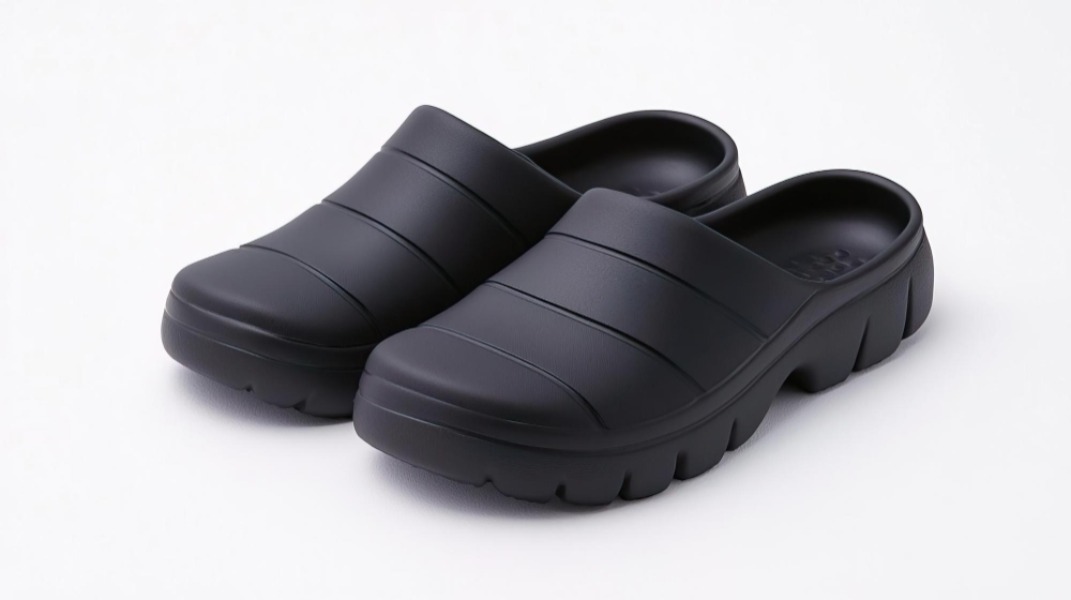
A commercial kitchen is a fast-moving workplace where employees regularly handle hot liquids, sharp utensils, heavy containers, cleaning chemicals, and food residue. Floors can become wet or greasy within minutes, especially during busy service periods. Kitchen safety shoes help reduce common workplace risks while supporting employees who spend long hours standing and walking.
Comfort Shoes offers occupational footwear for hospitality, catering, food-service, and institutional kitchen environments. The right kitchen footwear should combine grip, comfort, hygiene, and protection without restricting natural movement.
Common Footwear Risks in Commercial Kitchens
Ordinary footwear may not provide enough traction on tiles covered with water, oil, sauce, or cleaning solution. Shoes with worn or unsuitable soles can increase the risk of slipping while carrying hot vessels or moving quickly between preparation and cooking areas.
Kitchen workers may also face:
- Hot water and cooking oil splashes
- Falling utensils or food containers
- Moisture entering the shoe
- Foot fatigue from extended standing
- Food particles collecting in the tread
- Frequent exposure to cleaning agents
- Toe injuries in storage and preparation areas
Kitchen safety shoes are designed to address several of these concerns, although their exact protection depends on the construction and safety features selected.
Selecting Kitchen Safety Shoes in Navi Mumbai
Navi Mumbai has a growing network of restaurants, hotels, cloud kitchens, bakeries, canteens, hospitals, and institutional catering facilities. Kitchens across these establishments vary considerably, so footwear should be chosen after reviewing the actual work conditions.
A bakery employee may need lightweight, slip-resistant shoes for dry and moderately warm areas. A worker in a hotel’s dishwashing section may require greater water resistance. Staff handling heavy stock containers may benefit from additional toe protection.
Key selection criteria include:
Slip-Resistant Soles
The outsole should offer grip on the type of flooring used in the kitchen. Slip resistance is particularly important near washing stations, fryers, cold rooms, and food-preparation counters.
Easy-to-Clean Uppers
Smooth, water-resistant surfaces are usually easier to wipe and sanitise. Footwear with excessive stitching, fabric panels, or decorative details may trap food particles and moisture.
Closed-Toe Design
Closed footwear helps protect the feet from spills, dropped utensils, and minor impact. Open sandals and footwear with exposed heels may not provide sufficient coverage for commercial kitchen work.
Support and Cushioning
Kitchen employees may remain on their feet for several hours. Proper arch support, heel stability, and cushioning can improve comfort and reduce fatigue during long shifts.
Secure Fit
Loose shoes can affect balance and movement. Footwear should fit securely without causing pressure around the toes, heel, or upper foot.
Hygiene and Maintenance Practices
Kitchen safety shoes should be cleaned regularly rather than only when visible dirt appears. Food residue can reduce sole grip and create hygiene concerns. Employees should follow the cleaning method recommended for the material and allow footwear to dry completely before the next shift.
A practical maintenance routine includes:
- Removing food particles from the outsole tread
- Wiping the upper after each shift
- Inspecting the sole for wear or embedded debris
- Drying the footwear in a ventilated location
- Replacing damaged insoles when appropriate
- Removing shoes from use if the tread becomes smooth
Workplaces should avoid using the same footwear outside the food-handling area when hygiene procedures require dedicated kitchen shoes.
Suitable footwear does not replace good housekeeping. Spills still need to be cleaned promptly, walkways must remain clear, and employees should receive safe movement training. When kitchen safety shoes are combined with effective floor maintenance and practical work procedures, they support a safer and more comfortable food-service environment.