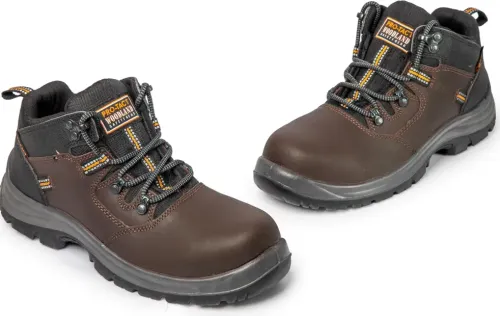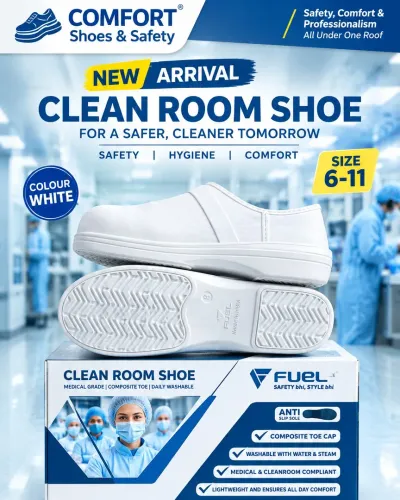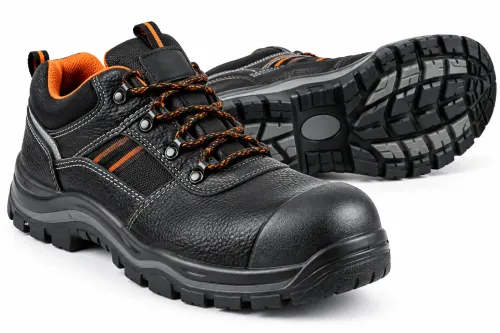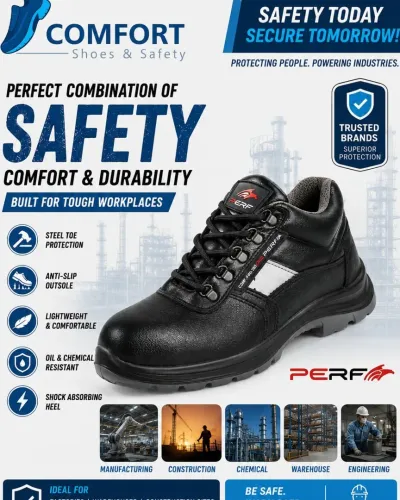
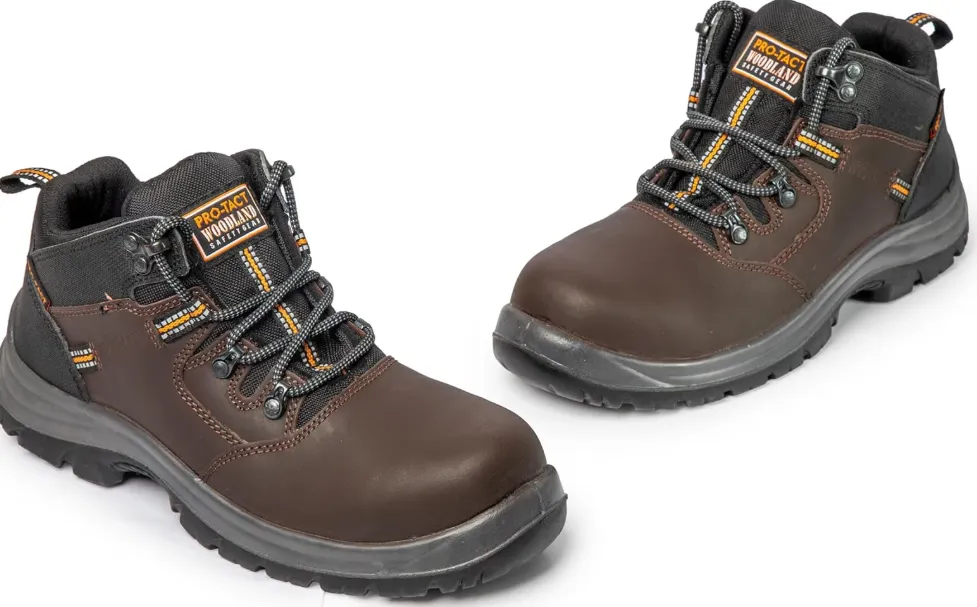
A safety shoe may look straightforward from the outside, but its performance depends on several components working together. The upper, toe area, outsole, lining, fastening system and overall construction all influence how the footwear behaves during industrial use. Understanding these elements helps buyers evaluate a Safety Shoe Manufacturer more meaningfully.
One of the first considerations is the intended working environment.
Industrial footwear may be used in engineering plants, warehouses, fabrication units, construction sites, maintenance operations or other demanding workplaces. Each setting can expose footwear to different combinations of impact, abrasion, moisture, slippery surfaces and prolonged daily use.
Toe protection is one of the most recognizable features of many safety shoes. Its purpose is to provide protection appropriate to the specified footwear design where there is a risk associated with falling or moving objects.
The outsole performs a different job. Its material, tread and construction influence grip, durability and suitability for particular floor conditions. A sole designed for a relatively dry indoor environment should not automatically be assumed to perform identically in an oily, wet or chemically exposed area.
Upper materials also matter because they influence durability, flexibility, maintenance and resistance to workplace conditions.
Then there is fit.
A protective shoe that is incorrectly sized can create everyday problems for the wearer. Manufacturers therefore need consistent sizing, while employers need to ensure employees receive footwear that fits correctly.
When evaluating industrial footwear, buyers can look beyond the exterior design and ask:
- What workplace application is the model intended for?
- What type of toe protection does it use?
- What is the outsole construction?
- Is the footwear suitable for the expected floor conditions?
- What upper material is used?
- How should the footwear be cleaned and maintained?
- Which sizes are available?
- What product specifications or applicable certifications are provided?
These questions are particularly useful for procurement teams purchasing footwear in quantity.
Navi Mumbai and surrounding Maharashtra industrial areas include a wide range of engineering, warehousing, processing and infrastructure activities. A single footwear specification may therefore not suit every organization or even every department within one organization.
Comfort Shoes manufactures and supplies safety footwear for industrial requirements, with product selection based on application and workplace needs.
Understanding how safety footwear is constructed helps procurement teams move beyond decisions based solely on price or appearance. The more accurately a footwear model is matched to the hazards, environment and daily work pattern, the more informed the purchasing decision becomes.
Keywords