Personal protective equipment works most effectively when each item is selected for a defined workplace hazard. Buying a standard collection of helmets, footwear and gloves without first considering the tasks employees perform can lead to unsuitable equipment and unnecessary spending.
For businesses evaluating Industrial PPE, a hazard-based procurement approach makes purchasing more systematic.
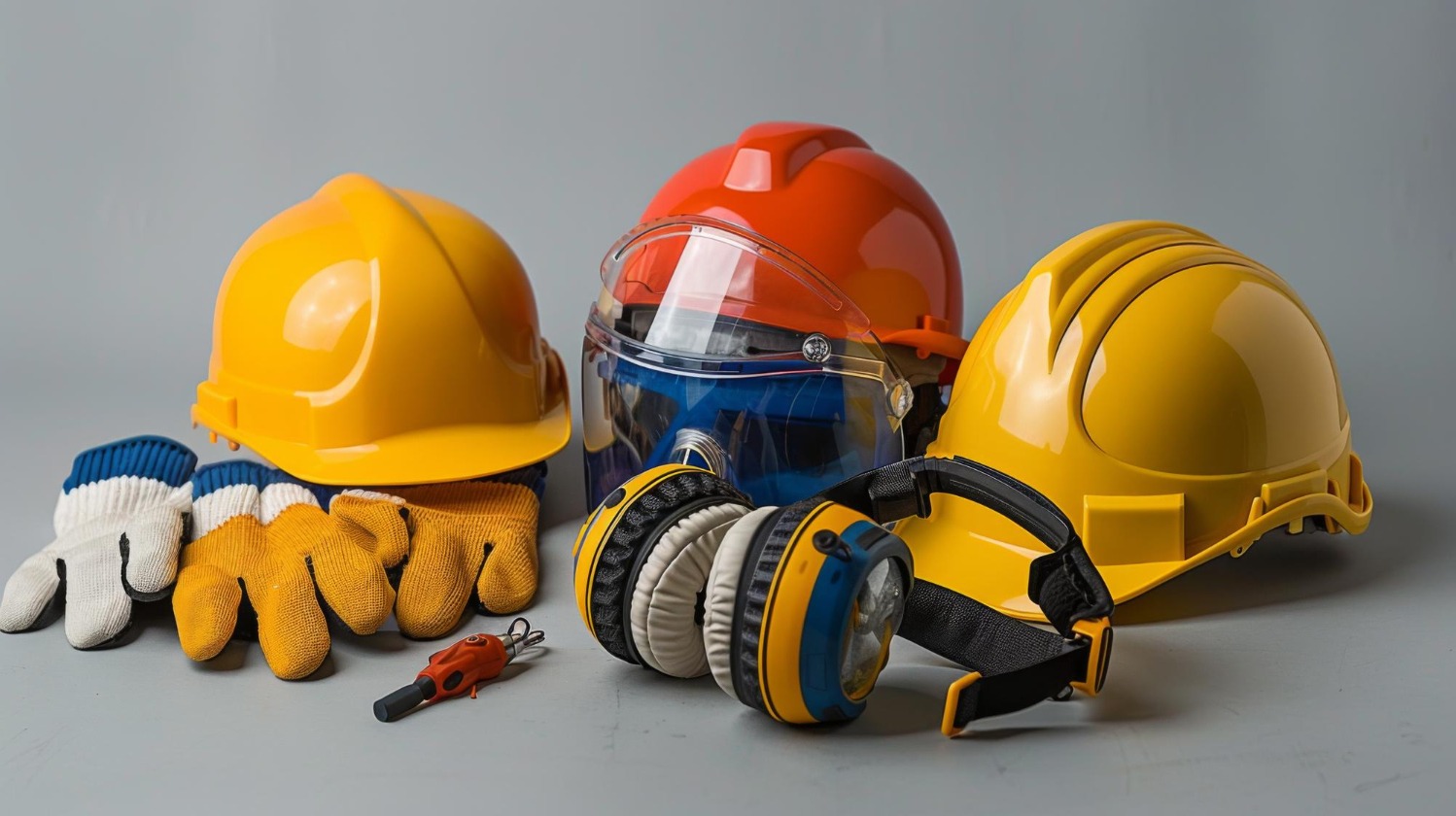
PPE can include safety footwear, helmets, gloves, eye and face protection, hearing protection, respiratory protection and other specialized equipment. The exact combination depends on the job and the hazards identified through the organization's safety process.
For example, an employee involved in material handling may have different PPE requirements from someone performing welding or working in an electronics-related environment.
Procurement teams should therefore begin by grouping PPE requirements according to job roles.
A practical purchasing process may include:
- Identifying workplace hazards
- Reviewing applicable safety requirements
- Defining PPE specifications for each role
- Checking sizing and wearer compatibility
- Comparing product documentation
- Evaluating samples where appropriate
- Planning replacement and replenishment
Compatibility deserves particular attention when multiple PPE items are worn together.
A helmet, face shield, protective eyewear or other equipment should not interfere with another required protective item. Similarly, employees need footwear and gloves in appropriate sizes rather than receiving a one-size-fits-all solution.
Another common procurement issue is focusing heavily on purchase price while overlooking service life and application suitability. A lower-cost product that is poorly matched to the workplace may not represent better value.
Instead, evaluate the overall requirement: suitable protection, expected usage, replacement frequency, employee comfort and consistency of supply.
For manufacturing and warehouse businesses in Navi Mumbai, Maharashtra, centralized PPE procurement can also help create better visibility over inventory. Safety teams can define approved specifications while procurement teams maintain appropriate stock according to workforce size and consumption.
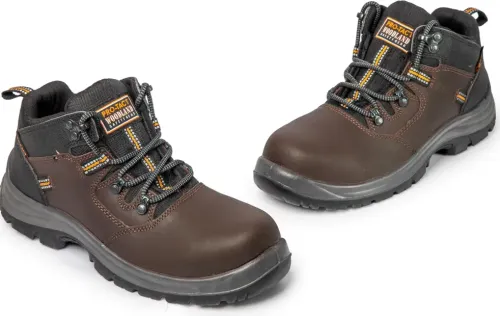
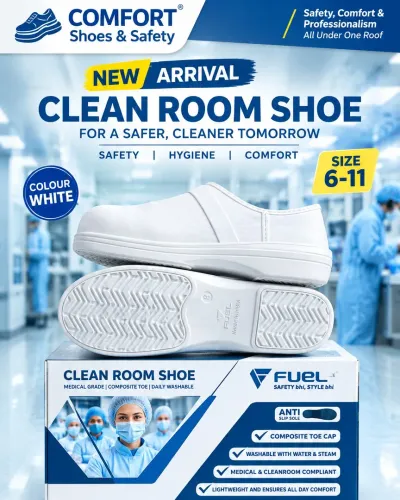
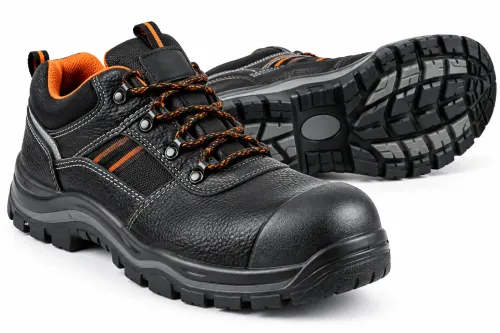
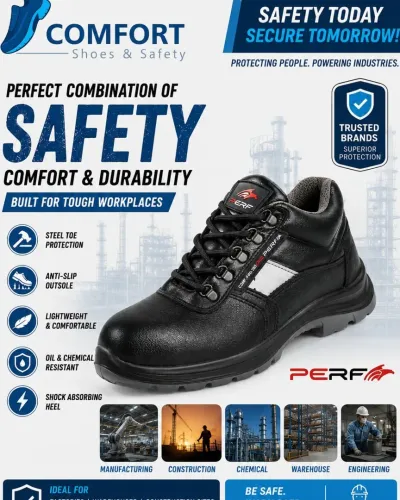
Comfort Shoes supplies safety footwear and selected PPE products for industrial customers in Navi Mumbai, giving businesses an option to source multiple workplace safety requirements through a focused provider.
However, procurement is only one part of PPE management. Employees should understand how equipment is worn, inspected, maintained and replaced. Damaged or incorrectly used PPE may not perform as intended.
A useful PPE purchasing decision therefore connects three areas: the workplace hazard, the product specification and the person who will actually use the equipment.
When those elements are evaluated together, businesses can build a more practical PPE programme rather than accumulating unrelated protective products. For industrial buyers, that means clearer specifications, more purposeful purchasing and equipment that better reflects real working conditions.
Keywords