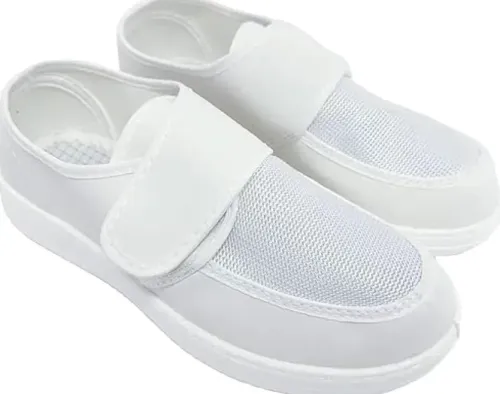


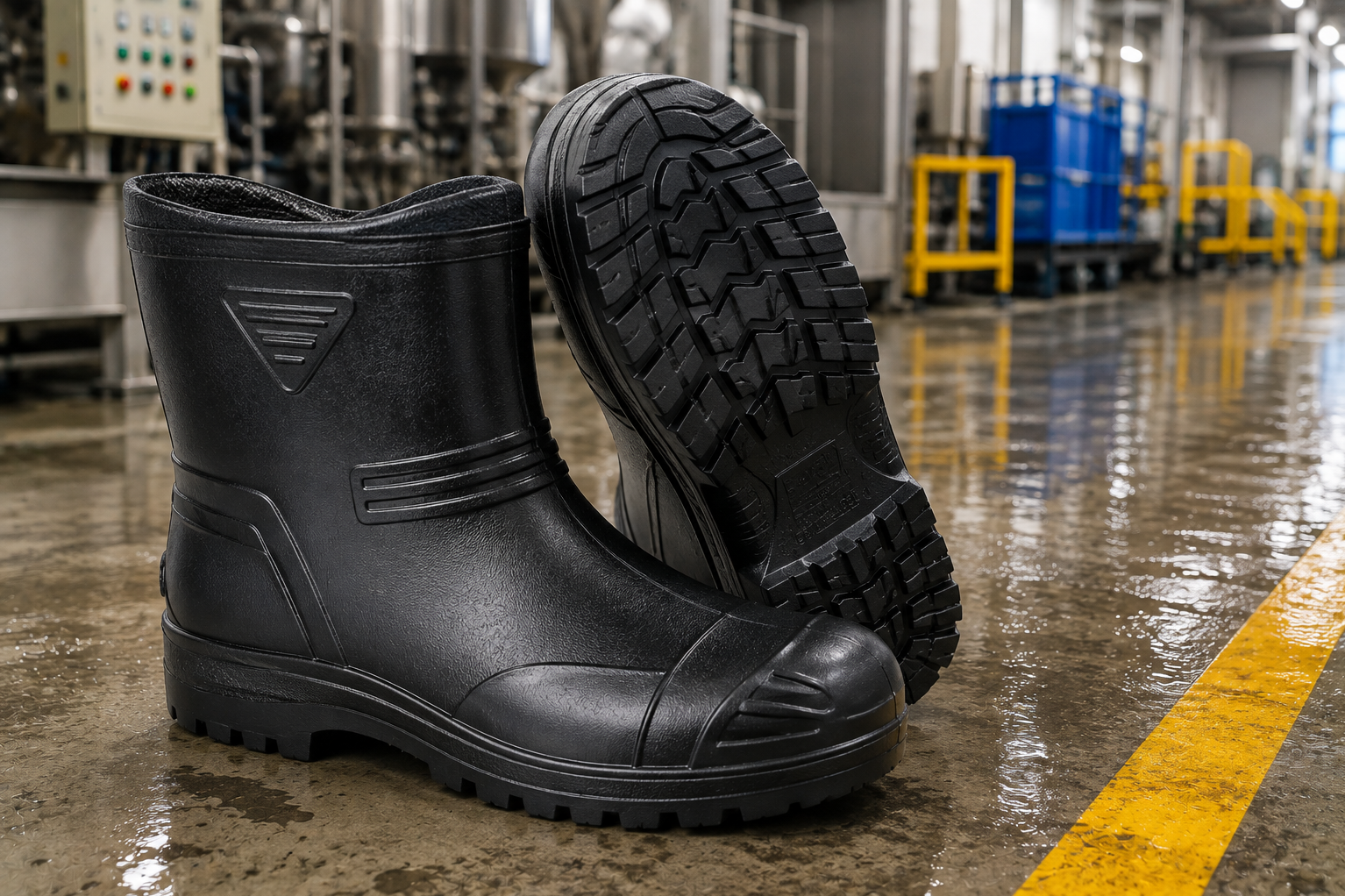
Industrial footwear is exposed to conditions that ordinary shoes are not designed to handle. Water, oil, chemicals, dust, repeated washing, slippery flooring, and long working hours can quickly damage unsuitable footwear. PVC safety shoes offer a practical option for workplaces that require durable, easy-to-clean protection in wet or demanding environments.
Comfort Shoes provides safety footwear for industrial and commercial applications where hygiene, grip, and resistance to workplace contaminants are important considerations. Selecting the right footwear begins with understanding the specific hazards present at the worksite.
Where PVC Safety Shoes Are Used
PVC, or polyvinyl chloride, is widely used in protective footwear because it can resist moisture and many common workplace substances. Depending on their design and safety rating, PVC shoes may be suitable for:
- Food-processing facilities
- Chemical-handling areas
- Fisheries and cold-storage operations
- Cleaning and sanitation work
- Pharmaceutical production units
- Agricultural and dairy environments
- Warehouses with wet floors
- Light manufacturing operations
PVC footwear is especially useful where shoes need to be washed frequently. Its non-absorbent surface makes routine cleaning easier and helps prevent water from entering the footwear under normal working conditions.
Choosing PVC Safety Shoes in Navi Mumbai
Industrial areas across Navi Mumbai and Maharashtra experience humid weather and heavy seasonal rainfall. Workers may regularly move between indoor production areas, loading bays, service sections, and outdoor surfaces. Footwear should therefore be selected according to the actual environment rather than appearance alone.
Before choosing PVC safety shoes, employers should assess the following factors.
Slip Resistance
Wet flooring, oil, cleaning liquids, and processing residue can increase the likelihood of slips. The outsole pattern and material should provide suitable traction for the intended surface.
Toe Protection
Areas involving material handling, machinery, crates, or heavy tools may require protective toe caps. The required protection level should be determined through a workplace risk assessment.
Chemical Compatibility
PVC can resist various substances, but no single footwear material is suitable for every chemical. Buyers should confirm compatibility with the specific acids, alkalis, oils, cleaning agents, or industrial liquids used at the site.
Fit and Comfort
Poorly fitted footwear can cause blisters, pressure points, and fatigue. Employees should receive the correct size, sufficient toe room, and adequate support for their work pattern.
Sole Design
The correct sole should match the floor and task. Deep tread may be helpful in muddy or outdoor locations, while food-processing areas may require soles that are easier to clean and do not trap excessive debris.
Advantages of PVC Footwear
One of the primary benefits of PVC safety shoes is their ability to handle moisture. They can also be cleaned more easily than many fabric or leather options, making them useful in hygiene-sensitive environments.
Additional advantages may include:
- Resistance to water penetration
- Durable construction for routine industrial use
- Easy surface cleaning
- Availability in different heights and designs
- Protection from dirt and processing residue
- Suitability for frequently washed work areas
However, PVC shoes should not automatically be used for every job. High-temperature work, specialised electrical environments, or exposure to aggressive chemicals may require footwear made from different materials.
Care Practices That Extend Footwear Life
PVC safety shoes should be rinsed after exposure to dirt or workplace substances and dried naturally in a ventilated area. Direct contact with intense heat may affect their shape or material condition.
The outsole should be checked for cuts, thinning, embedded objects, and reduced tread depth. Employers should also inspect the upper, seams, toe area, and inner lining. Footwear that has become cracked, deformed, or slippery should be removed from use.
The safest choice is based on the hazard, working duration, floor condition, and cleaning requirements. When PVC footwear is correctly matched to the workplace, it can provide dependable everyday protection without creating unnecessary maintenance challenges.