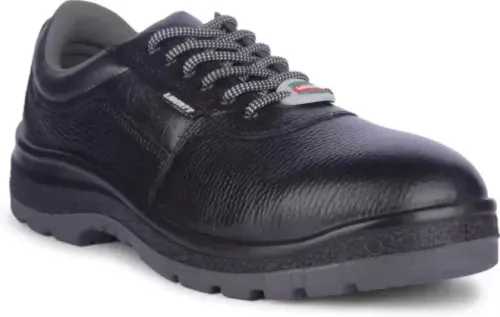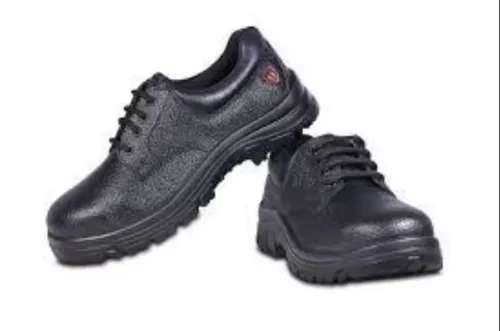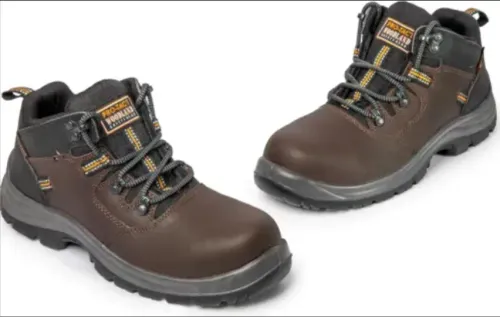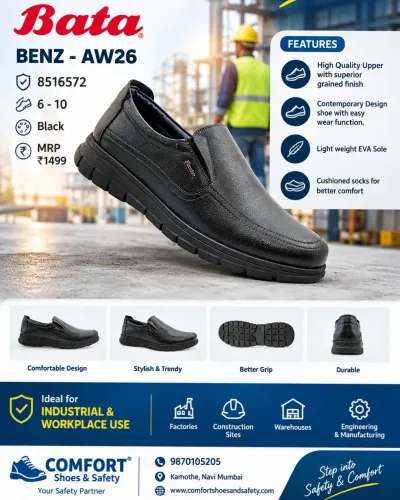
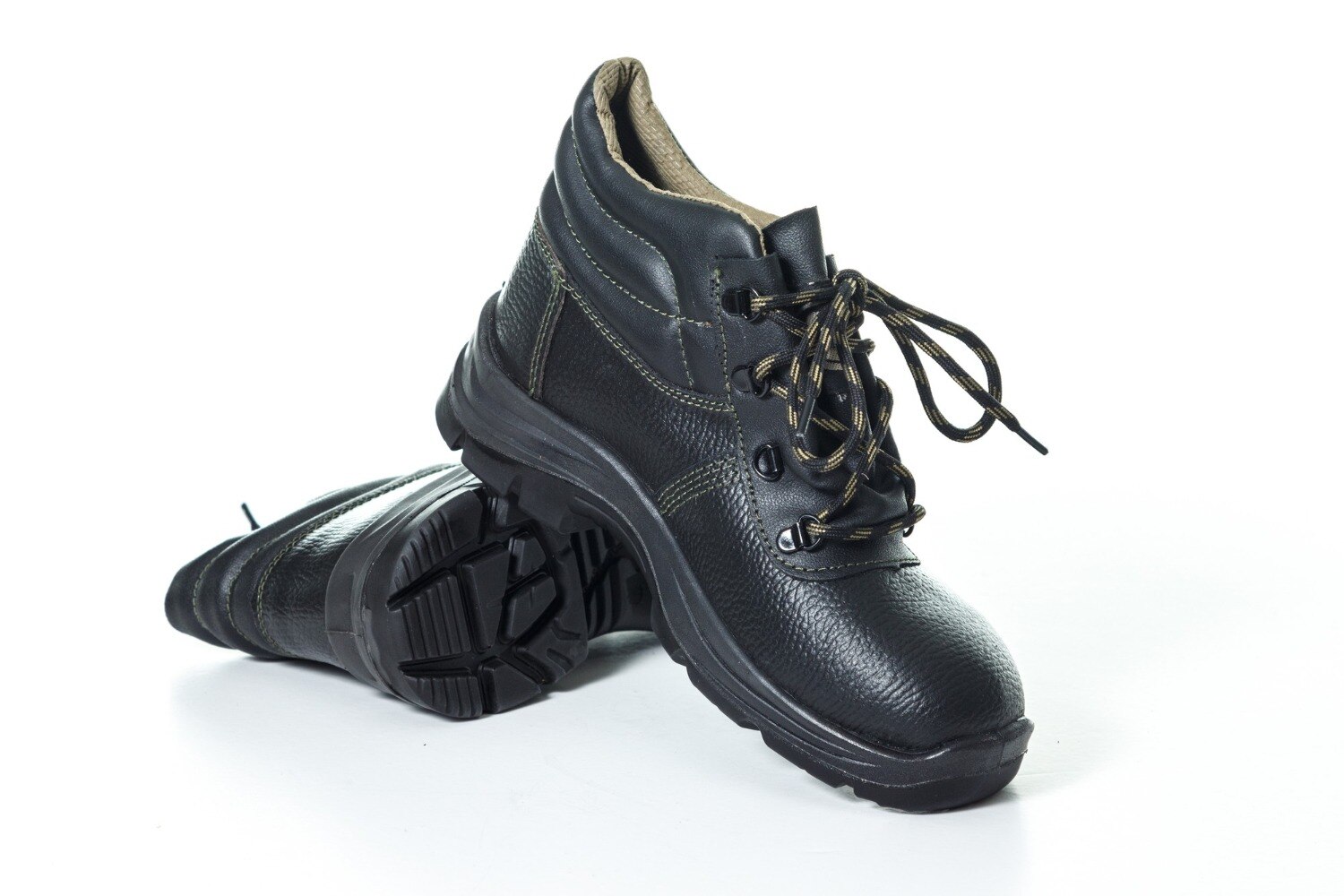
Rain suitability depends on the exact Lancer model, not the brand name or a deep-looking tread. By the end, you will know which specifications and test evidence to request, when a low safety shoe is unsuitable, how to fit it for a long wet shift, and how to maintain it through Navi Mumbai’s humidity.
Key takeaways
- Confirm the exact Lancer model, sole polymer, toe cap and manufacturer documentation.
- Choose slip resistance and drainage control for oily, wet factory floors.
- Compare Lancer shoes with PVC shoes, gumboots and specialist footwear by task.
- Dry and inspect footwear after every wet shift to prevent early failure.
Identify the Exact Lancer Model Before You Assess Rain Performance
The phrase “lancer safety shoes for rain” identifies a search need, not a performance category. Before approval, obtain the exact product code, manufacturer name, upper material, toe-cap type, sole polymer, closure system, size range, shoe weight and current manufacturer documentation for the model under consideration.
| Claim | Evidence to require | What it does not prove |
|---|---|---|
| Water-resistant upper | Upper material and stated water-resistance test | Whole-shoe waterproofing |
| Waterproof construction | Marking or test report covering the complete shoe | Protection above the collar |
| Water penetration resistance | Named method, result and applicable safety standard | Slip resistance |
| Slip-resistant outsole | Current ISO 20345:2021 marking and test report, including SR where claimed | Water exclusion |
A water-repellent upper can still admit water through the tongue, stitching, collar or seams. A slip-resistant sole says nothing about water entering the shoe.
Ask for the applicable safety standard and test report; a safety toe commonly requires 200 J impact resistance and 15 kN compression resistance, but toe protection does not prove waterproofing or grip.
Before approving the model, record and inspect:
- The tongue attachment, seam sealing, toe-cap edges, eyelets, stitching, collar lining and sole-to-upper bond.
- The sole polymer, storage guidance and replacement criteria; polyurethane can suffer hydrolysis when footwear stays damp in warm, humid storage.
- The manufacturer’s stated water test, not just words such as “rain-ready” or “oil-resistant”.
- The toe-cap and outsole markings separately, because each addresses a different hazard.
Match the Sole and Water Protection to Navi Mumbai Factory Floors
A deep-lug outsole is not automatically safer on Navi Mumbai factory floors. It can drain water outdoors but reduce continuous contact on smooth ceramic or epoxy; closely spaced tread can grip a clean hard floor yet clog with mud, grease or process debris.
Ask which slip-resistance scheme applies. Under ISO 20345:2021, check the basic slip test and, where claimed, the additional SR test using glycerol on ceramic tile. Do not treat older SRA, SRB and SRC labels as interchangeable with current markings.
| Floor or hazard | What to test | Sole or footwear implication |
|---|---|---|
| Ceramic or epoxy | Water, detergent, dust and oil-water films | Compare continuous contact and controlled turning |
| Wet stairs, ramps and drains | Real walking, stopping and descending | Check edge grip and heel stability |
| Muddy entrances | Mud, starch and process debris | Check whether tread voids clog |
| Flooded areas | Water depth and duration | Use taller footwear when water reaches the collar |
Test the actual outsole on the factory’s ceramic, epoxy, ramps and stairs with detergent, oil, dust, starch and metal fines. Water alone is not the same hazard as a thin contaminated film; confirm oil resistance separately from slip resistance.
For monsoon safety footwear, distinguish splash-resistant uppers from whole-footwear water resistance. Rainwater running down an untucked trouser leg can enter through the collar, so trousers or rainwear must overlap it. Standing water above the opening calls for taller footwear, not a stronger marketing claim.
Choose factory shoes for wet conditions in Navi Mumbai only after this site trial.
Choose Between Lancer Shoes, PVC Shoes, Gumboots and Specialist Footwear
A Lancer safety shoe is the right choice for covered production areas, short outdoor transfers and wet floors where lower weight and heat release matter. For anyone comparing factory shoes for wet conditions in Navi Mumbai, match the footwear to water depth, exposure time and the contaminant on the floor—not simply to rain intensity.
| Option | What it provides | Choose it when |
|---|---|---|
| Lancer safety shoe | Breathable, water-resistant protection with lower weight | Work is mainly indoors, floors are wet and outdoor transfers are brief |
| PVC safety shoe | Easy cleaning and stronger water exclusion | Rain, mud and repeated washdown matter more than breathability |
| Safety gumboot | Waterproof coverage above the ankle | Workers stand in water, cross flooded yards or face deep puddles |
| Leather safety shoe | Structure, abrasion resistance and dry-shift comfort | The job is mostly dry; repeated soaking is not expected |
| Specialist footwear | Chemical, puncture, heat or electrical-risk protection | The hazard assessment identifies acids, alkalis, solvents, sharp objects, heat or live electrical exposure |
A low shoe leaves the ankle and collar exposed, and a trouser leg can funnel water inside. Make trousers or rainwear overlap the collar for outdoor movement; use a taller boot for standing water.
Specify chemical-resistant footwear for acids, alkalis, solvents or process chemicals. Do not treat antistatic footwear as electrical insulation: it dissipates static through a controlled path, while live-electrical protection requires a separate risk assessment and suitable insulating footwear. Confirm puncture, heat, chemical and electrical properties against the site hazards before approving any monsoon safety footwear.
Fit the Shoe for Wet Socks, Swelling and Long Shifts
A ten-minute fitting on a dry floor proves almost nothing. For Lancer safety shoes for monsoon in Navi Mumbai, trial each size with the worker’s actual moisture-wicking or protective sock, then repeat the check at the end of a full shift.
- Leave clear space in front of the toes, but keep the foot from sliding forward. The safety cap must not touch the toes on stairs, ramps or downhill walking.
- Lace firmly across the instep and check for heel lift. Adjust the lacing before trying a larger size; oversizing allows thick socks but increases internal movement and trip risk.
- Reject tight sizing that creates pressure, sweat or rubbing as the foot swells. Record pressure points, heel movement, wet-sock exposure and fatigue for every size tested.
- Walk on wet factory floors, ramps and stairs; crouch repeatedly; and enter drains or washdown areas several times. Note whether the shoe remains stable after water reaches the sock.
- Repeat the fitting at shift-end, when swelling and fatigue reveal problems hidden during morning fitting.
- Inspect the collar where trouser fabric meets the shoe. Untucked trousers can funnel rainwater inside, even when the upper resists splashes.
- Examine metal toe-cap edges, eyelets, stitching, tongue attachment, collar lining and sole bonding for corrosion or deterioration in humid coastal conditions.
- Ask for the sole polymer, storage guidance and replacement criteria. Damp, warm storage can damage polyurethane through hydrolysis before the sole visibly fails.
A shoe that feels comfortable for ten minutes on dry flooring has not passed a monsoon fit trial.
Build a Procurement and Drying Routine That Prevents Monsoon Failure
Document the hazard assessment before requesting a quote: falling or rolling objects, puncture risks, wet floors, oil, chemicals, static-control needs, heat and electrical exposure. Comfort Shoes can help a Navi Mumbai procurement team compare the documented model with site conditions, but the factory must approve it through a controlled trial.
Ask the supplier for:
- Exact Lancer product code and manufacturer test documents
- Applicable standard, marking, toe-cap type and upper construction
- Batch or manufacturing information, shoe weight and size range
- Sole polymer, storage life, storage guidance and replacement indicators
- Evidence for water penetration, oil resistance, slip resistance, chemical or heat exposure
| Claim | Verify before purchase | Failure if missed |
|---|---|---|
| Whole-shoe water resistance | Test or marking covering the complete shoe, including tongue, seams, collar and gusset | A water-repellent upper still admits rain |
| Static control | Antistatic marking and resistance data | Antistatic footwear does not protect against electric shock |
| Sole durability | Polymer and storage guidance, especially for polyurethane | Damp, humid storage can cause hydrolysis and hidden sole failure |
For Lancer safety shoes for monsoon in Navi Mumbai, treat the model as unapproved until this evidence and a site trial are complete. After water enters, change wet socks promptly, remove insoles and dry them separately. Place shoes in a ventilated area away from heaters and high direct heat; rotate pairs so each dries fully.
Never leave damp shoes in a closed locker.
Before the next shift, inspect the lining, tongue, stitching, eyelets, adhesive and sole-to-upper bond for damage, odour or separation. Retire footwear when tread is worn, the sole separates, toe protection is exposed or the upper no longer excludes the required water level.
Frequently asked questions
What should you verify before buying Lancer safety shoes for rain?
Obtain the exact product code, manufacturer name, upper material, toe-cap type, sole polymer, closure system, size range, shoe weight and current manufacturer documentation.
How do you choose monsoon safety footwear for Navi Mumbai factory floors?
Match the sole tread and water protection to the floor hazards, including standing water, oil, chemicals, smooth concrete, drainage areas and long wet shifts.
When are PVC shoes or gumboots better than Lancer safety shoes?
Choose PVC shoes or gumboots when extended contact with standing water requires easier cleaning and greater coverage. Choose specialist footwear when chemical, electrical, heat or task-specific protection controls the decision.
How should you maintain safety shoes during monsoon operations?
Remove mud, dry footwear away from direct heat, inspect the sole and upper after each wet shift, rotate pairs where possible and replace footwear when damage reduces protection or grip.
Keywords