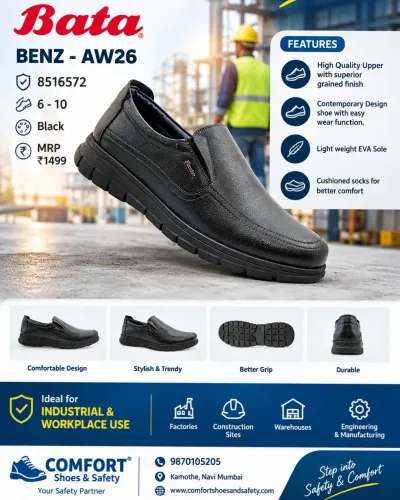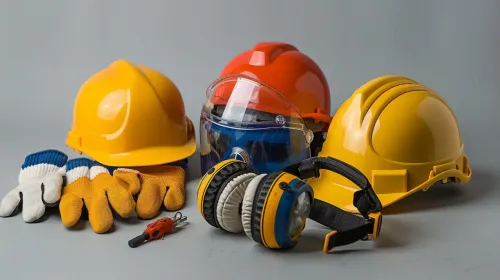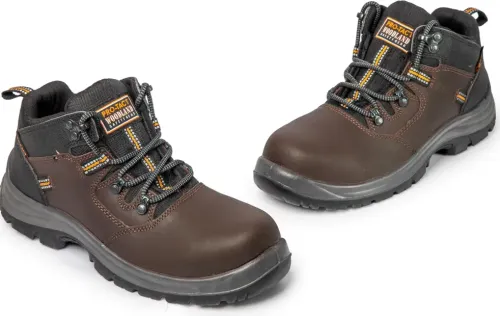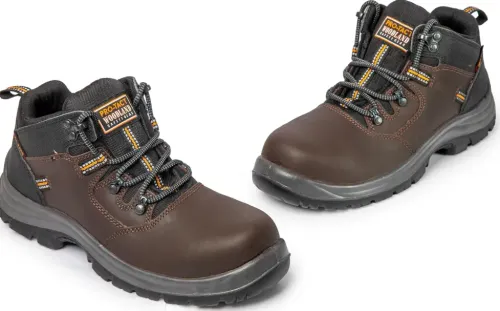
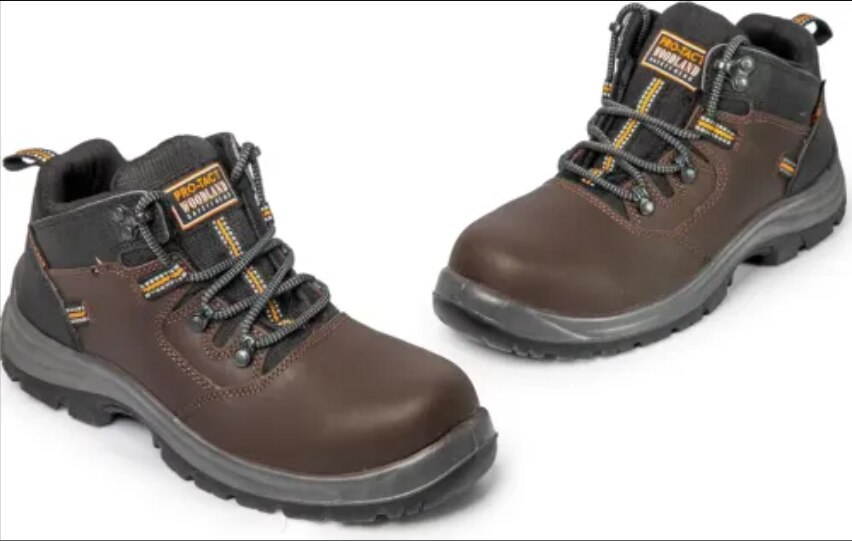
Acme Eris is worth considering when workers face falling-object risk, warehouse handling, manufacturing floors, construction tasks or rough industrial use, but a steel toe alone does not prove suitability for every hazard. You will be able to approve, trial or reject the shoe using its markings, test documents, site conditions, worker fit and replacement plan.
Key takeaways
- Confirm the exact model’s datasheet, markings, size range and certificate.
- Do not issue them for hazards the model’s evidence does not cover.
- Test fit, grip and comfort on the actual worksite before rollout.
- Record inspections, cleaning, defects and replacement decisions.
When Acme Eris fits the job—and when the hazard exceeds it
Choose Acme Eris when the job involves routine warehouse handling, manufacturing floors, construction movement or rough industrial use with a documented toe-impact and compression hazard. The jama safety shoes conditions for acme eris are not defined by a job title alone: confirm the exact model’s current datasheet, size range, standard marking and certificate before approval.
| Acme model | Selection question | When it fits |
|---|---|---|
| Acme Eris | Does its verified toe rating match the site’s falling-object and handling risks? | General industrial work where the hazard stays within that tested protection |
| Acme Storm | Does its documented construction offer a better match for the task or environment? | Choose only when its evidence addresses a requirement Eris does not |
| Acme Neutron | Does its design solve a specific fit, floor or durability need? | Compare against the actual shift and surface, not catalogue appearance |
| Acme Adjacent | Does its tested protection cover the department’s risk profile? | Use when its markings and test documents outperform Eris for that task |
A steel toe protects the toes within its test conditions; it does not protect the instep, ankle or metatarsals. Specify metatarsal protection for falling objects striking the upper foot. Do not treat antistatic footwear as electric-shock protection, and do not infer chemical resistance from ISO 20345 alone.
For chemical work, assess the substance, concentration, temperature, contact time and material under EN 13832. Use a task-based matrix instead of issuing one pair of jama safety shoes across every department.
Read the Acme Eris evidence before issuing it
A product name is not proof of protection. Before issuing Acme Eris safety shoes, inspect the shoe tongue, lining or sole for the exact model code, size, safety classification and standard marking; then match those details to the site hazard.
1. Request the current Acme Eris datasheet, showing whether the footwear is marked IS 15298, EN ISO 20345, or another named standard. Record the classification and confirm the steel toe’s tested impact energy in joules and compression force in newtons. Those ratings protect toes within test conditions, not the metatarsals or ankle.
2. Obtain the certificate, test report or declaration of conformity identifying the same model and production version. Do not accept a document covering a different Acme model or an undated catalogue claim.
3. If electrical shock is a risk, verify an electrical-insulation marking and its test standard. “Antistatic” indicates charge dissipation; it does not mean protection from live electricity.
4. For chemical handling, demand a resistance table for the named chemical, concentration, temperature and contact time. ISO 20345 alone does not establish chemical resistance; check whether EN 13832 testing covers the exposure.
Reject approval if the marking, model code, or supporting document is missing or inconsistent. Keep the evidence with the issue record.
Match protection to chemicals, electricity, penetration and floor hazards
A steel toe protects against impact and compression, not every hazard around it. Treat acme eris safety shoes as suitable only after matching the task, chemical exposure, electrical risk, penetration threat and floor condition to separate evidence.
| Hazard | What the steel toe does not prove | Evidence to demand |
|---|---|---|
| Chemical splash or contact | Resistance to a named chemical, concentration, temperature or contact time | Current chemical-resistance table; material details; EN 13832 test classification where applicable |
| Electrical work | Protection from electric shock | Electrical-insulation marking and test standard; never substitute an antistatic marking |
| Sharp scrap or nails | Puncture resistance through the sole | Penetration-resistant insert specification and test result |
| Oil, water or smooth floors | Adequate slip grip in the actual contaminant | Slip-resistance marking, test basis and sole compound information |
Build a task-based matrix rather than issuing one model to every department. Chemical workplace footwear can resist permeation while sacrificing breathability, whereas textile uppers can wet through quickly.
Before approval, demand:
- The exact Acme Eris model and size range on the current datasheet.
- The complete marking, certificate or declaration of conformity, and named test standard.
- Chemical-specific evidence covering the product, concentration, temperature and exposure time.
- Replacement criteria for chemical swelling, cracked uppers, split soles, exposed toe caps or damaged penetration inserts.
Antistatic footwear controls charge accumulation; it is not electrically insulating footwear. Cleaning with an unapproved solvent can also destroy adhesives, polymers or protective coatings.
Test fit and performance on the actual worksite
A two-minute fitting cannot prove that Acme Eris will remain stable or wearable for a full shift. Issue a trial pair in the worker’s normal size, work sock and approved insole, then assess it after representative walking, stair use, squatting, lifting and standing on the actual floor.
Record these observations at the end of the shift:
- Heel movement, toe pressure and side-to-side foot movement
- Blisters, hot spots, numbness, rubbing or wet socks
- Lace security after repeated bending and walking
- Grip on the site’s real contaminant, such as oil, detergent solution, mud or water
- Stability on ramps, uneven ground, ladders and metal steps
- Visible sole separation, tread clogging or upper damage
Reject the trial if the worker loosens the laces, removes the shoe, changes gait or reports pain to keep working. Those responses turn discomfort into a safety risk and can reduce control during a slip or manual-handling task.
Repeat the trial for workers who move between hot, humid production areas and general handling zones. Compare the recorded result with other Jama safety shoes only after testing each model under the same task, sock and floor conditions; a short office fitting proves very little.
Extend service life with inspection, cleaning and replacement controls
A pre-use inspection, approved cleaning method and clear replacement trigger stop damaged footwear from becoming a production or compliance failure. Check each pair before the shift, especially after chemical contact, prolonged wet-floor work or impact.
Remove Acme Eris safety shoes from service immediately when you find:
- An exposed, distorted or loose toe cap
- A split or substantially worn outsole, missing tread, or loss of grip
- Chemical swelling, cracking or hardening on the upper, sole or bonding
- Failed stitching, separated bonding, torn eyelets or damaged laces
- A cut, crushed or otherwise damaged penetration-resistant insert
- Persistent water retention, mould or odour that cleaning does not resolve
Clean mud and chemicals using the footwear manufacturer’s stated method. Do not use unapproved solvents, bleach or heat guns; they can degrade polymers, adhesives and protective coatings. Remove insoles if permitted, dry pairs at room temperature away from direct heat, and rotate wet footwear instead of issuing it for the next shift.
Record the worker, shoe size, issue date, inspection finding, cleaning action and replacement date. Quarantine failed pairs so they cannot return to circulation. Do not set a fixed “safe for” lifespan without evidence: replace the pair when its protective structure or material condition fails, even if the upper still looks presentable.
Use a documented sourcing and issue process in Navi Mumbai
Do not approve a pair from a catalogue photograph. For industrial safety shoes in navi mumbai, request evidence that identifies the exact Acme Eris model, production batch and intended protection before placing an order.
The phrase “jama safety shoes conditions for acme eris” must lead to a documented selection decision, not a blanket approval for every department.
1. Ask for the current technical datasheet showing the model code, size range, upper and outsole materials, toe-cap impact and compression ratings, and the named standard, such as IS 15298 or EN ISO 20345.
2. Request the certificate, declaration of conformity, or test report that matches that model code. Reject documents covering a different style or an expired specification.
3. Obtain the chemical-resistance table and ask the supplier to identify substances tested, exposure limits and whether the evidence covers splash, contact or permeation.
4. Record batch numbers, manufacturing date, warranty terms, replacement arrangements and delivery quantities on the purchase order.
5. Require sample pairs across the workforce’s sizes for an end-of-shift trial using work socks and approved insoles. Comfort Shoes can support this record without replacing the employer’s hazard assessment.
6. Keep signed issue records linking each worker, size, model, batch and issue date. Recheck approval when the task, chemical or floor condition changes.
Related product
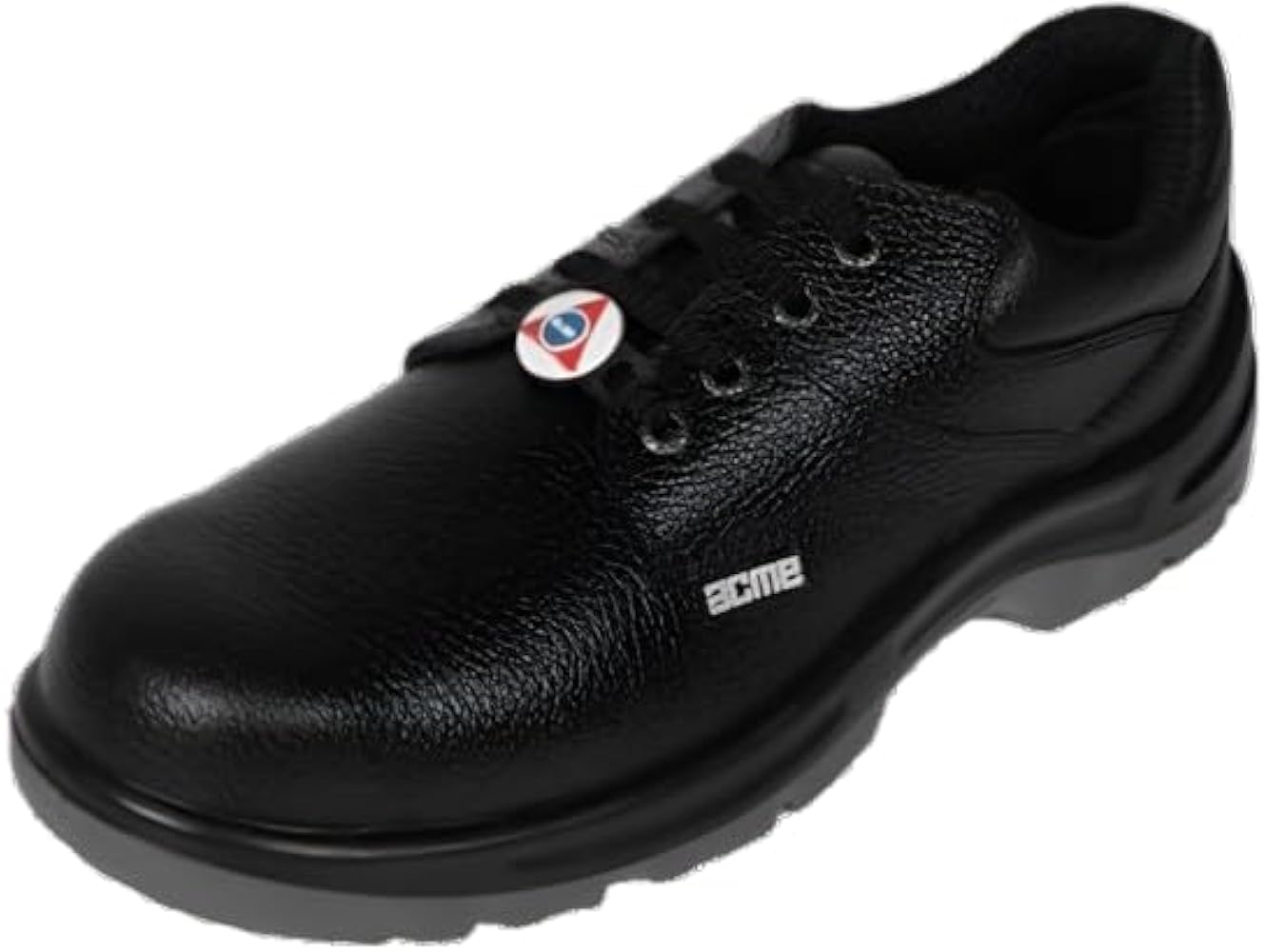 | Safety Footwear Acme Eris Safety Shoes are designed to deliver superior protection, comfort, and durability for demanding work environments. View product → |
Frequently asked questions
When do Acme Eris safety shoes fit the job?
They fit routine warehouse handling, manufacturing floors, construction movement and rough industrial use when the documented toe-impact and compression hazard matches the exact model’s evidence.
What evidence should you check before issuing Acme Eris safety shoes?
Check the current datasheet, size range, standard marking and certificate for the exact model. Do not rely on a product name or a job title alone.
Are Acme Eris shoes suitable for chemical workplace footwear needs?
Only issue them for chemical exposure after confirming the exact model’s documented chemical resistance against the substances, concentrations, contact time and temperatures at your site.
How should you test Acme Eris safety shoes at the worksite?
Have representative workers test fit, walking comfort, grip, toe clearance and floor performance during normal tasks, then record complaints and observed defects.
How do you extend the service life of industrial safety shoes?
Set inspection and cleaning controls, remove contaminated or damaged footwear from service, and document replacement decisions based on defects and changed hazards.
Keywords