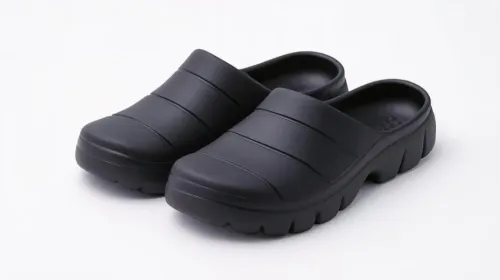


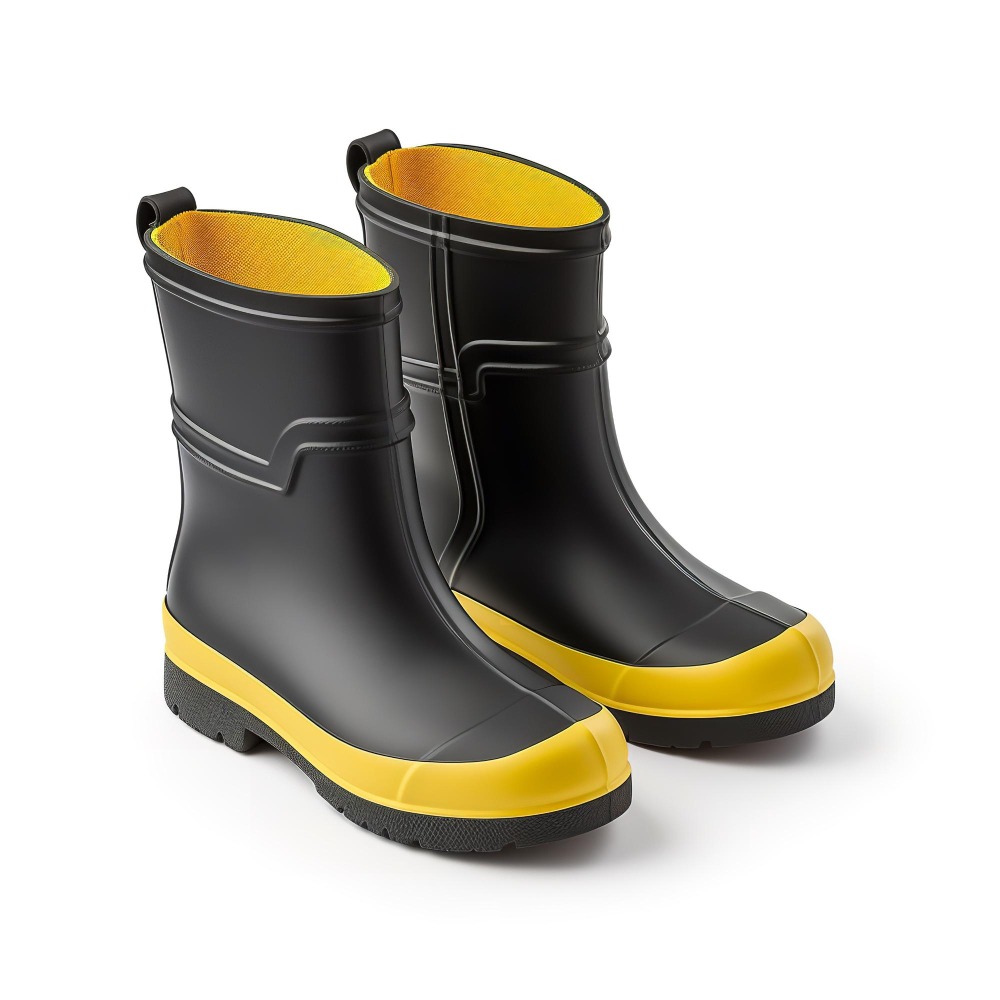
A safety gumboot is designed for work environments where employees face water, mud, chemicals, sewage, processing liquids, or contaminated surfaces. Unlike ordinary rain boots, industrial safety gumboots may include protective features such as reinforced toes, slip-resistant soles, chemical-resistant materials, and puncture protection.
Comfort Shoes supplies workplace footwear for industries that require practical protection in wet and demanding conditions. Choosing an appropriate gumboot involves more than selecting the correct size; the material, height, sole, and safety features must match the actual hazard.
Work Environments That Require Safety Gumboots
Safety gumboots are commonly used in industries where standard safety shoes may absorb moisture or become difficult to clean. Typical applications include:
- Construction and infrastructure projects
- Drainage and sewage maintenance
- Food and beverage processing
- Chemical plants
- Agriculture and dairy operations
- Fisheries and marine work
- Waste management
- Industrial cleaning
- Water-treatment facilities
- Mining and excavation sites
The required design will vary between these environments. A gumboot suitable for rainwater and mud may not provide adequate resistance to industrial chemicals, heat, or sharp objects.
Safety Gumboot Selection for Navi Mumbai Worksites
Navi Mumbai’s industrial zones, construction activity, coastal conditions, and monsoon rainfall create varied footwear challenges. Worksites in Maharashtra may experience standing water, muddy access routes, wet factory floors, and frequent exposure to outdoor conditions.
Employers should evaluate the following features before selecting gumboots.
Boot Material
PVC and rubber are widely used materials. PVC gumboots are commonly selected for water resistance, easy cleaning, and general industrial use. Rubber may offer flexibility and grip for certain applications. Material compatibility should always be checked when workers handle chemicals, oils, or cleaning agents.
Toe Protection
Protective toe caps can reduce the risk of injury from falling tools, containers, construction materials, or equipment parts. Toe protection is particularly relevant in warehouses, civil work, maintenance areas, and industrial production sites.
Outsole Grip
A tread pattern should match the walking surface. Deep tread may provide better performance in mud and uneven outdoor conditions, while specialised patterns may be required for oily or smooth indoor flooring.
Boot Height
Knee-length gumboots offer more coverage in standing water, mud, and splash-prone environments. Shorter designs may provide easier movement where the exposure level is lower. The height should reflect the expected depth of water or contaminants.
Midsole Protection
Workplaces with nails, metal fragments, sharp waste, or construction debris may require puncture-resistant midsoles. This feature should be selected according to a documented risk assessment.
Comfort and Fit
A safety gumboot that is too loose can move around the foot and reduce stability. A boot that is too tight may cause discomfort and restrict circulation. Socks, insoles, and seasonal working conditions should be considered during sizing.
Common Selection Mistakes
One frequent mistake is choosing gumboots solely because they are waterproof. Waterproofing is valuable, but it does not confirm slip resistance, impact protection, puncture resistance, or chemical compatibility.
Other avoidable mistakes include:
- Using rain boots for industrial hazards
- Ignoring the type of chemical exposure
- Selecting an unsuitable tread pattern
- Purchasing one boot design for every department
- Continuing to use cracked or deformed boots
- Choosing oversized footwear for convenience
Inspection and Storage Practices
Gumboots should be washed after exposure to mud, chemicals, sewage, or processing residue. Contaminated footwear may require workplace-specific decontamination procedures.
After cleaning, boots should be dried in a shaded, ventilated area. Inspect the sole, upper, toe area, and inner lining for cracks, cuts, swelling, or separation. Damaged boots should be replaced before water or hazardous substances can enter.
Safety gumboots provide reliable protection only when their design matches the worksite. A proper hazard assessment, correct fitting, routine cleaning, and timely replacement help maintain their protective performance throughout everyday use.