
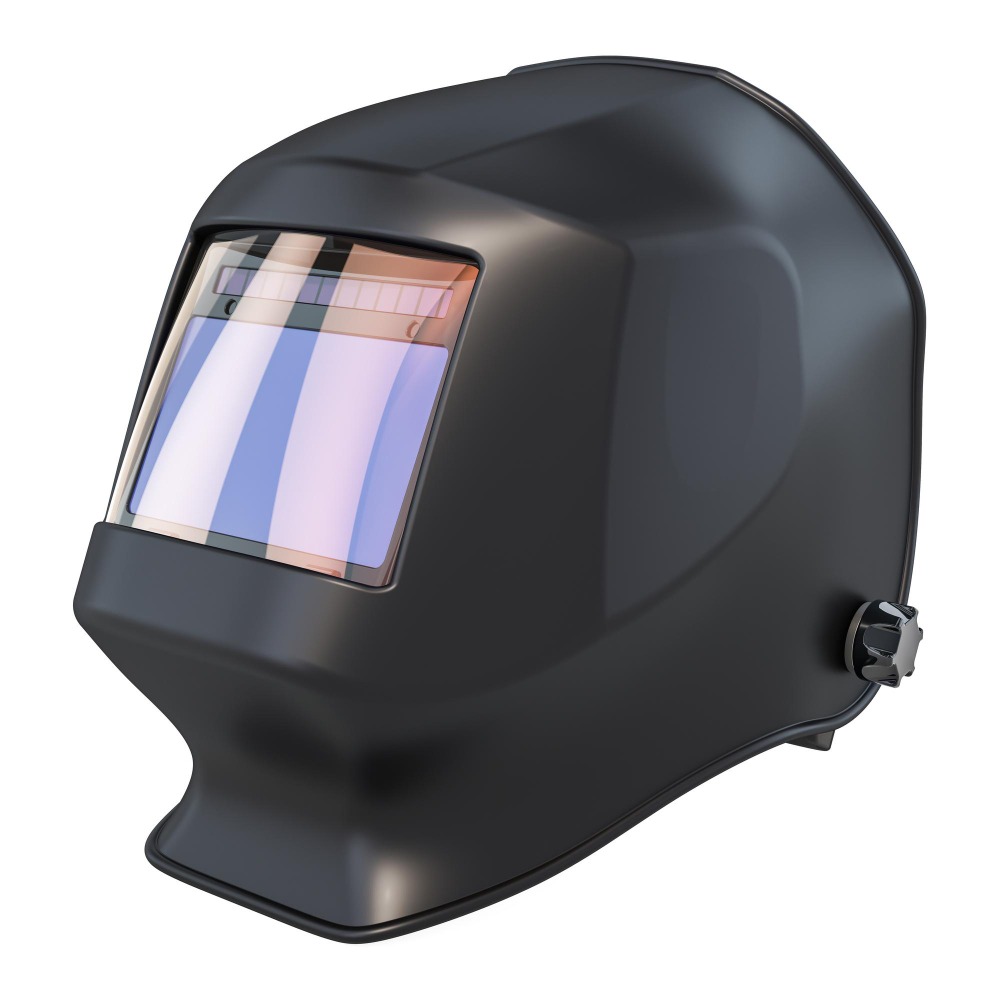
Welding exposes workers to intense light, ultraviolet and infrared radiation, heat, sparks, and flying metal particles. A suitable welding helmet helps protect the face, eyes, and neck while allowing the welder to see the work area clearly. However, protection depends on choosing a helmet that matches the welding process and working conditions.
Comfort Shoes provides industrial personal protective equipment for manufacturing units, fabrication workshops, engineering companies, and maintenance teams. When selecting a welding helmet, buyers should evaluate its lens technology, shade range, fit, coverage, and compliance rather than making a decision based only on price.
Start With the Welding Process
Different welding processes generate different levels of light, heat, and spatter. Shielded metal arc welding, MIG welding, TIG welding, gas welding, and plasma cutting may require different lens shade levels.
Before selecting a helmet, identify:
- The welding method being used
- The amperage range of the task
- The duration and frequency of welding
- Whether grinding is also performed
- The amount of sparks and spatter produced
- The position in which the welder works
- The lighting conditions inside the work area
A helmet suitable for occasional maintenance may not meet the practical needs of a professional welder who uses it throughout the day.
Selecting a Welding Helmet in Navi Mumbai
Navi Mumbai and nearby industrial regions of Maharashtra have fabrication units, construction projects, ship-related operations, engineering workshops, chemical plants, and equipment maintenance facilities. These workplaces can involve overhead welding, confined work areas, outdoor fabrication, and extended production shifts.
A helmet should therefore provide the required protection without becoming excessively heavy or uncomfortable.
Passive Lens Helmets
Passive welding helmets use a fixed-shade lens. The welder must lower the helmet before striking the arc. These helmets have a relatively simple design and may be appropriate where the same welding process and amperage are used consistently.
However, repeatedly lifting and lowering the helmet may be inconvenient during positioning, inspection, and tack welding.
Auto-Darkening Helmets
An auto-darkening welding helmet detects the welding arc and changes from a light state to a darker protective shade. It allows the worker to position the electrode and inspect the joint without repeatedly removing the helmet.
Important features may include:
- Adjustable shade settings
- Sensitivity control
- Delay adjustment
- Grinding mode
- Multiple arc sensors
- Replaceable protective lenses
- Solar-assisted or battery operation
The number and placement of sensors are particularly important when welding in restricted positions where the arc may be partially obstructed.
Comfort Influences Correct Usage
A welding helmet may meet technical requirements but still be unsuitable if it causes neck strain or does not remain securely positioned. The headgear should distribute weight evenly and allow adjustment around the head.
Buyers should check the viewing area, helmet balance, ventilation, control accessibility, and compatibility with respirators or other protective equipment. Adequate face and neck coverage is also essential where heavy spatter is present.
Mistakes to Avoid During Selection
A common mistake is assuming that every dark lens offers suitable welding protection. Ordinary tinted material does not necessarily filter hazardous radiation correctly.
Other selection errors include:
- Choosing an incorrect shade range
- Ignoring the helmet’s optical clarity
- Using a damaged protective lens
- Selecting a helmet that interferes with other PPE
- Overlooking replacement lens availability
- Buying without considering the welding position
- Using grinding mode during active welding
Helmets should be inspected before use for cracks, damaged headgear, loose fittings, faulty sensors, and scratched lenses. Any defect that affects visibility or coverage should be addressed immediately.
Choosing the right welding helmet improves visibility, supports consistent work, and reduces exposure to welding hazards. Businesses looking for welding helmets in Navi Mumbai can contact Comfort Shoes for guidance on selecting suitable PPE according to their welding process, worksite conditions, and workforce requirements.