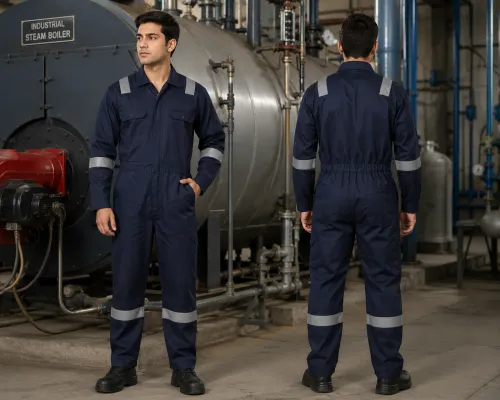


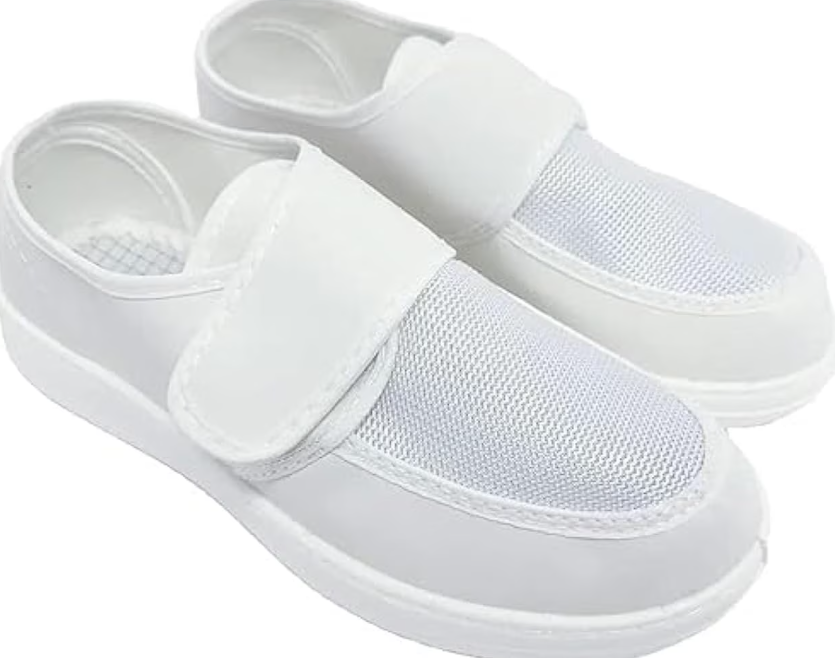
Electrostatic discharge can occur in a fraction of a second, often without being noticed by the person involved. In workplaces that handle sensitive electronic components, even a minor static charge can damage equipment, disrupt production, or affect product quality. ESD safety shoes are designed to control this risk by allowing accumulated static electricity to dissipate safely through the flooring.
Comfort Shoes supplies industrial footwear designed for different workplace conditions, including environments where electrostatic control is an important part of the safety system. Understanding how ESD footwear works helps employers choose suitable protection for their workers and facilities.
Why Navi Mumbai Industries Need Electrostatic Protection
Navi Mumbai and the surrounding industrial areas of Maharashtra support electronics, pharmaceutical, engineering, warehousing, manufacturing, and assembly operations. Many of these facilities use sensitive equipment or components that can be affected by an uncontrolled electrostatic discharge.
Static electricity may build up when employees walk, change positions, handle packaging materials, or come into contact with certain synthetic surfaces. The charge can then transfer suddenly to a component, machine, or another person.
Potential consequences include:
- Damage to electronic circuits and microcomponents
- Incorrect readings from sensitive instruments
- Unexpected equipment interruptions
- Reduced product reliability
- Higher rejection and rework rates
- Increased risk in certain controlled environments
ESD footwear helps create a controlled path through which static charge can move from the wearer to an appropriate conductive or dissipative floor.
How ESD Safety Shoes Work
ESD safety shoes contain materials that provide controlled electrical resistance. Instead of allowing static electricity to remain on the wearer’s body, the footwear gradually channels the charge towards the floor.
This process depends on the complete system. The shoes must be used with suitable ESD flooring, properly maintained work areas, and other electrostatic control measures. Wearing ESD footwear on an incompatible surface may reduce its effectiveness.
It is also important to distinguish ESD shoes from electrically insulating footwear. ESD shoes are designed to dissipate static electricity. Electrical hazard footwear, by contrast, is intended to reduce the flow of dangerous electrical current under specified conditions. The two categories address different workplace risks and should not be treated as interchangeable.
Features That Support Everyday Workplace Safety
The electrical performance of the footwear is important, but employees may wear safety shoes throughout an entire shift. Practical design features therefore influence both protection and user compliance.
Useful features may include:
- Slip-resistant outsoles for better grip
- Protective toe caps where impact hazards exist
- Supportive insoles for extended standing
- Breathable uppers for improved comfort
- Oil-resistant soles for industrial floors
- Secure fastening for stable movement
- Lightweight construction for repetitive tasks
The correct combination depends on the work area. A clean electronics assembly section may have different footwear requirements from a production floor where workers also face falling objects, oil, or material-handling hazards.
Proper Use and Maintenance Matter
ESD safety shoes require regular inspection. Excessive dirt, damaged soles, worn insoles, or unauthorised modifications can influence performance. Employees should avoid replacing original components with materials that have not been approved for ESD use.
Workplaces should also establish a routine for testing footwear where the risk assessment requires it. A simple inspection programme can include checking the sole condition, cleaning the shoes according to manufacturer guidance, and recording periodic electrical resistance tests.
Shoes should be replaced when visible damage appears or when testing indicates that their resistance is outside the required range.
ESD footwear works best as part of a coordinated electrostatic control plan. When suitable shoes, flooring, work procedures, employee training, and routine monitoring are used together, businesses can protect both their workforce and the sensitive products handled within the facility.