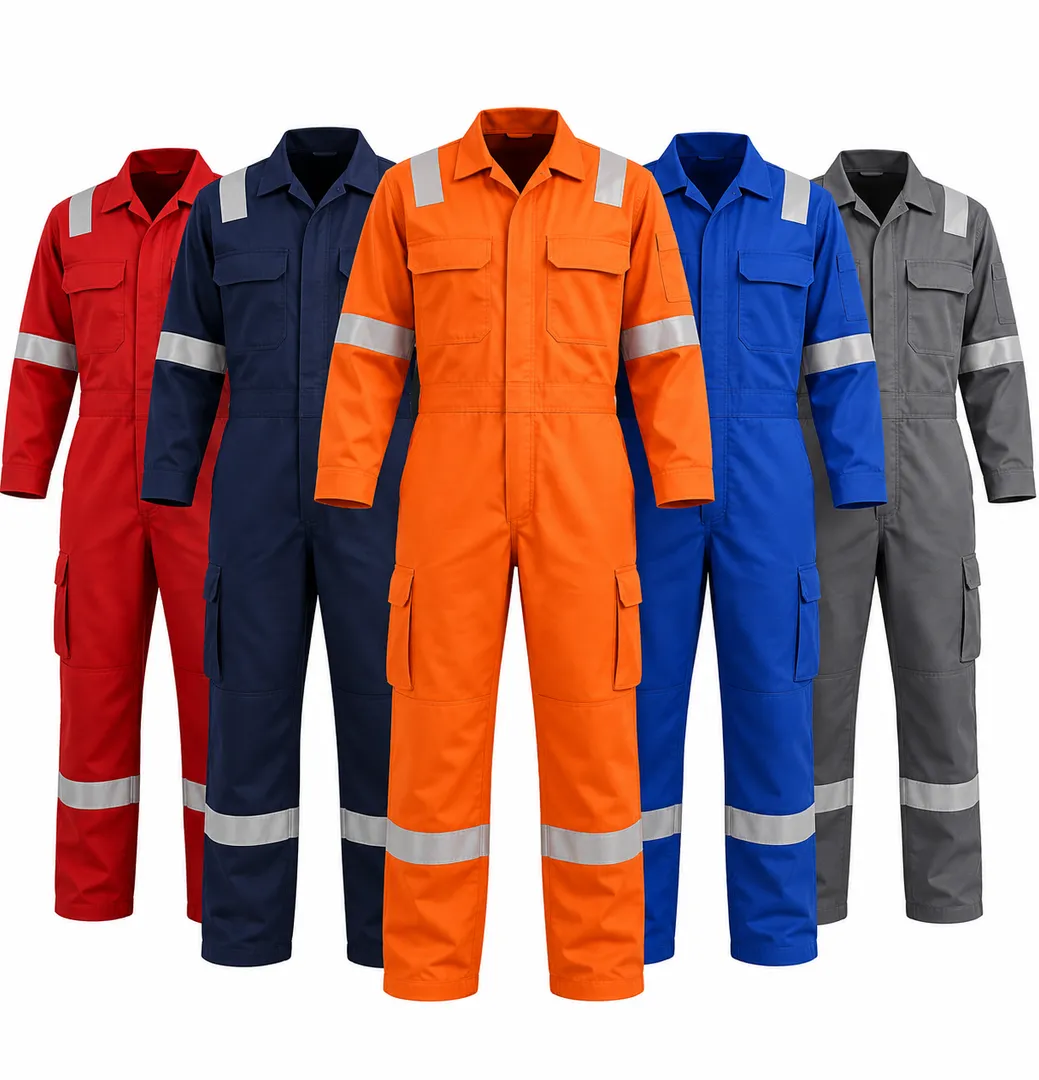
Workers operating near flames, heat, combustible materials, and certain electrical hazards require clothing designed for the identified risk. IFR suits, commonly referring to inherently flame-resistant suits, are manufactured from fibres that possess flame-resistant properties as part of their structure. This protection is different from a surface finish applied to ordinary fabric.
Comfort Shoes supplies industrial safety wear for organisations that need task-appropriate personal protective equipment. Before purchasing IFR suits, safety and procurement teams should define the hazard, required protection level, applicable standard, and complete clothing system.
What Makes IFR Clothing Different
Inherently flame-resistant fabric is engineered so that its protective property is built into the fibre. When properly manufactured and maintained, it is intended to resist ignition, limit flame spread, and reduce continued burning after the heat source is removed.
However, the term IFR does not mean that the garment makes a worker fireproof. Protection is limited by the fabric rating, garment design, exposure energy, duration, condition, and way the suit is worn.
IFR garments may be considered for:
- Oil and gas operations
- Petrochemical facilities
- Electrical maintenance
- Utilities
- Chemical processing
- Foundries
- Furnace-related work
- Certain welding and fabrication tasks
- Emergency response activities
Each application requires a separate risk assessment.
Evaluating IFR Suits in Navi Mumbai
Industrial locations across Navi Mumbai and Maharashtra include chemical facilities, engineering plants, utilities, refineries, warehouses, and infrastructure projects. These operations may involve flash-fire risks, heat exposure, or electrical work.
Buyers should not choose an IFR suit using fabric weight alone. Important purchasing factors include:
Applicable Protection Standard
The suit should carry relevant test information and certification for its intended hazard. Flash-fire clothing, welding apparel, and arc-rated garments are not automatically interchangeable.
If an electrical arc hazard exists, buyers should review the garment’s arc rating and the incident energy assessment for the task. Flame resistance and arc rating describe related but distinct performance considerations.
Fabric and Garment Construction
Protection depends on the complete garment, not only the fabric. Seams, closures, pockets, reflective materials, labels, and accessories should be suitable for the specified application.
Covered zippers, secure cuffs, high collars, and properly designed pocket flaps can help reduce points of exposure.
Correct Fit
An IFR suit should allow comfortable movement without being excessively tight. A small air gap between the garment and the body can play a role in thermal protection, while tight clothing may transfer heat more quickly.
Oversized garments can create snagging risks. Employees should be fitted across a practical size range.
Layering and PPE Compatibility
Undergarments worn beneath an IFR suit matter. Materials that can melt under heat may increase injury severity, even when worn beneath protective outerwear.
The suit should also work correctly with gloves, helmets, face protection, safety footwear, respirators, and fall-arrest equipment.
Ask These Questions Before Ordering
A responsible supplier discussion should cover:
- Which hazard is the suit designed for?
- What test standards does it meet?
- Is an arc rating available when required?
- What is the expected laundering method?
- Are reflective trims also flame resistant?
- Can replacement garments be supplied consistently?
- Is custom sizing available?
- How should damaged suits be handled?
Documentation should be reviewed before approval, particularly when garments are intended for high-risk work.
Care Is Part of the Protection System
IFR suits must be washed according to the manufacturer’s guidance. Contamination with oil, grease, flammable substances, or chemicals can affect garment performance. Damaged, heavily contaminated, or incorrectly altered suits should be removed from service.
Businesses sourcing IFR suits in Navi Mumbai can contact Comfort Shoes to discuss workplace hazards, certifications, arc-rating requirements, garment design, size distribution, laundering guidance, and bulk procurement for industrial personnel.
Keywords