

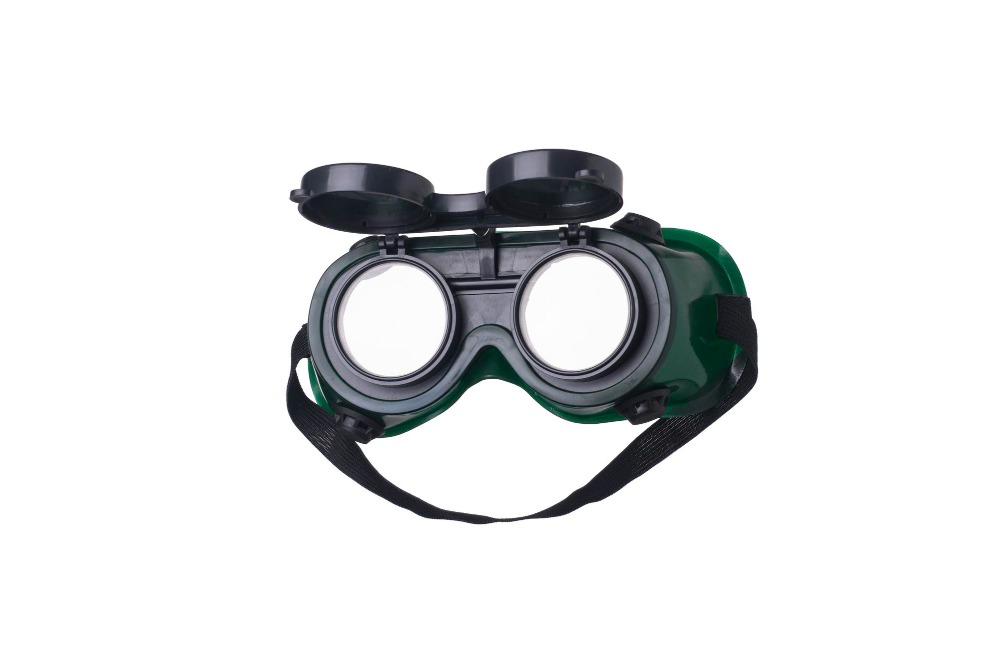
Welding goggles are used to protect the eyes during specific welding, brazing, cutting, and metalworking operations. Their compact design can be convenient, but incorrect selection or use may leave workers exposed to radiation, sparks, and flying particles. Employers must understand where goggles are appropriate and when broader facial protection is necessary.
Comfort Shoes supports industrial buyers with protective equipment suited to welding and related operations. A careful assessment of the task helps prevent the assumption that one type of eye protection can be used for every hot-work activity.
Mistake One Is Using the Wrong Lens Shade
The lens shade controls the amount of visible light and harmful radiation reaching the eyes. A shade that is too light may provide inadequate protection, while one that is unnecessarily dark can make the work area difficult to see.
The correct shade depends on:
- The welding or cutting process
- Flame intensity
- Electrode size
- Operating current
- Distance from the work
- Applicable workplace safety requirements
Workers should not select a shade solely according to personal preference. The safety team should define suitable protection based on the process and exposure level.
Safer Welding Goggles Use in Navi Mumbai
Engineering workshops, repair facilities, fabrication units, and construction projects across Navi Mumbai frequently conduct brazing, gas cutting, and welding-related work. These tasks may take place in dusty workshops, humid outdoor areas, or restricted maintenance spaces.
Local employers should consider environmental conditions as well as the hot-work process. Goggles that fog frequently, fit poorly, or become scratched may reduce visibility and tempt workers to remove them during the job.
Anti-fog features, indirect ventilation, suitable lens coatings, and a secure adjustable strap can improve practical usability.
Mistake Two Is Treating Goggles as Full-Face Protection
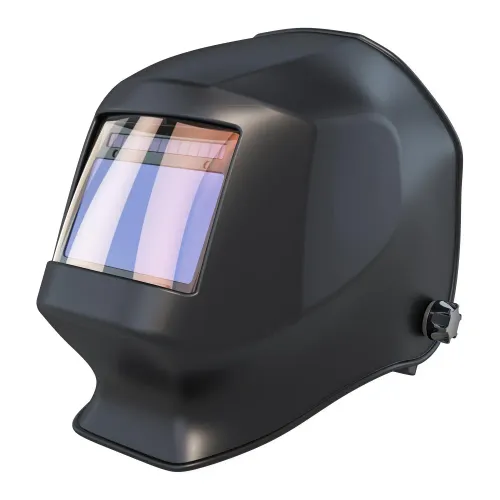
Welding goggles primarily cover the eye area. They do not always provide sufficient protection for the cheeks, forehead, chin, ears, and neck. Tasks that generate substantial sparks, molten metal, heat, or flying debris may require a welding helmet, face shield, or a combination of protective equipment.
A face shield should not automatically replace suitable welding filters or protective goggles. Each item performs a particular function, and several forms of protection may need to be worn together.
Mistake Three Is Ignoring Impact Hazards
Welding and cutting can produce particles that travel at speed. Lens shade alone does not confirm that goggles provide suitable impact protection.
Employers should confirm whether the goggles are designed for the mechanical hazards associated with the task. Grinding, chipping, slag removal, and surface preparation may require separate impact-rated eye protection, even when performed immediately before or after welding.
Mistake Four Is Continuing to Use Damaged Goggles
Scratched lenses can distort vision and make it harder to see the workpiece. Cracked frames, stretched straps, damaged vents, and loose lenses can also reduce protection.
A basic pre-use inspection should check:
- Lens clarity
- Lens shade marking
- Frame condition
- Strap adjustment
- Ventilation openings
- Cleanliness
- Compatibility with other PPE
Damaged goggles should be removed from service rather than temporarily repaired with tape or unsuitable replacement parts.
Mistake Five Is Sharing Goggles Without Cleaning Them
Shared eye protection should be cleaned and sanitised according to the manufacturer’s instructions. Sweat, dust, metal residue, and skin contact can create hygiene concerns. Harsh solvents should be avoided unless they are approved for the lens and frame material.
Goggles should be stored in a clean, dry case away from abrasive tools and direct heat. Proper storage prevents scratches and premature deterioration.
Correct welding goggles support clear vision and protect workers only when they match the task. Procurement teams seeking welding goggles in Navi Mumbai can contact Comfort Shoes to discuss lens options, fitting requirements, worksite hazards, and appropriate eye protection for their operations.